Local guide to ordering seasonal flowers for Epping Forest events
Posted on 05/10/2026
Planning flowers for an event near Epping Forest sounds simple until you start juggling the venue, the weather, the timings, and the very real question of what will still look fresh when guests arrive. That is where a local guide to ordering seasonal flowers for Epping Forest events becomes genuinely useful. Whether you are arranging flowers for a wedding, a memorial gathering, a charity dinner, or a community celebration, choosing blooms that suit the season can save money, reduce stress, and make the whole setting feel more natural.
Truth be told, people often underestimate how much floral choices affect the feel of a room or marquee. Seasonal flowers tend to travel better, last longer, and look more in tune with the setting. And around Epping Forest, where venues can be woodland-inspired, heritage-led, or straightforwardly local, that sense of fit matters. This guide walks you through how to order seasonal flowers with confidence, what to ask a florist, and how to avoid the usual last-minute mistakes. Nothing fancy. Just the practical stuff that helps events run smoothly.
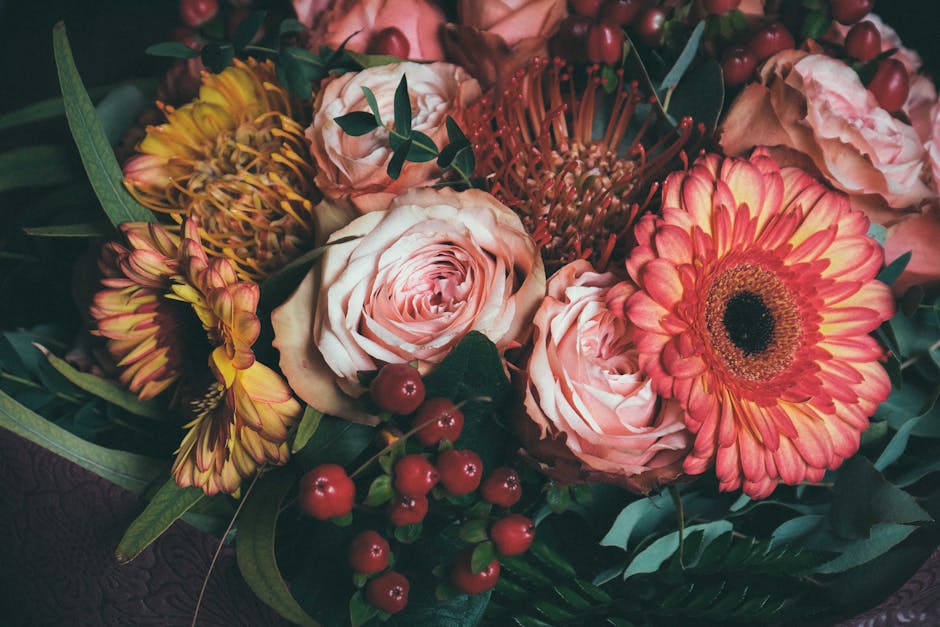
Table of Contents
- Why local seasonal ordering matters
- How the ordering process works
- Key benefits and practical advantages
- Who this is for and when it makes sense
- Step-by-step guidance
- Expert tips for better results
- Common mistakes to avoid
- Tools, resources and recommendations
- Law, compliance, standards, or best practice
- Options, methods, or comparison table
- Case study or real-world example
- Practical checklist
- Conclusion
- Frequently asked questions
Why local seasonal ordering matters
Seasonal flowers are the smart choice for most Epping Forest events because they simply make planning easier. When blooms are in season, they are usually fresher, easier for a florist to source, and more likely to arrive in better condition. That matters more than people think. A display that looks full and bright in the morning can look tired by late afternoon if it was pushed out of season or handled too many times on the way to the venue.
Local relevance plays a part too. Events in and around Epping Forest often have a very particular feel: leafy, open-air, elegant but not overly formal. Seasonal flowers sit comfortably in that environment. Spring tulips, early summer peonies, autumn dahlias, winter foliage, and classic roses all bring a sense of place and timing that feels natural rather than forced.
There is also a practical side. Local ordering can improve communication. If you are trying to coordinate a wedding breakfast, a memorial service, or a business function, being able to speak to someone who understands local delivery timing and venue access is a relief. To be fair, nobody wants to be explaining a tricky loading bay situation at the last minute while a van is already on the road.
Expert summary: If your event is close to Epping Forest, seasonal flowers are usually the best balance of freshness, style, reliability, and value. They are easier to adapt to your venue, and they reduce the chances of compromises on colour, size, or stem quality.
How local seasonal ordering works
The process is usually straightforward, but a bit of structure helps. A florist will first ask what kind of event you are planning, when it is taking place, where it is being held, and what style you want. After that, they will suggest flowers that match the season, your colour palette, and your budget. In many cases, you can choose from florist-designed arrangements, bespoke pieces, or a mixed approach.
For Epping Forest events, the location itself can shape the recommendation. A rustic outdoor gathering may suit softer, loosely arranged blooms and textured foliage. A formal dinner might call for neat centrepieces, low vase arrangements, or elegant whites and greens. A wedding, naturally, needs more moving parts: bouquets, buttonholes, table flowers, and perhaps flowers for the ceremony space too.
The key thing is that seasonal ordering is not just about picking pretty flowers. It is about matching availability, timing, transport, and presentation. A florist who works locally should be able to advise on what will hold up best during the day, especially if you are dealing with warm rooms, church services, outdoor receptions, or long guest timelines.
If you want to browse by occasion or style, pages such as wedding flowers, best-selling arrangements, and autumn flowers can help you narrow the field before you place an order.
Key benefits and practical advantages
Seasonal ordering is not just a design choice. It has a few practical upsides that are easy to appreciate once you have planned one or two events yourself.
- Better freshness: Seasonal stems are usually easier to source quickly, which often means less time in transit and better condition on arrival.
- More natural styling: Flowers that suit the time of year tend to look more harmonious with the setting and the light.
- Greater flexibility: If a particular bloom is unavailable, a local florist can suggest close alternatives that still work visually.
- Potential value for money: In-season flowers are often a more efficient use of budget because they do not require as much special sourcing.
- Less planning stress: The availability is usually simpler to confirm, and that makes the decision-making process less fraught.
There is also a quieter benefit that people notice once the flowers are delivered: seasonal arrangements often feel less "overdone". They fit the day. That sounds small, but it changes the atmosphere of a room. Guests notice, even if they do not say it out loud. A table with well-chosen seasonal flowers just feels considered.
For some events, you may want to blend seasonal stems with classic evergreen options. In that case, exploring categories like summer flowers, florist choice, or mixed-colour flowers can give you a broader palette without losing the seasonal feel.
Who this is for and when it makes sense
This guide is useful for anyone arranging flowers for an event in or around Epping Forest, but it is especially relevant if you are trying to balance taste with practicality. That usually includes:
- couples planning weddings or pre-wedding events
- families organising memorials or sympathy gatherings
- businesses hosting client events, launches, or staff celebrations
- venues and event coordinators looking for dependable local suppliers
- people planning birthdays, anniversaries, or milestone parties
- organisers who need something attractive without spending forever on the details
It also makes sense if your event is at short notice. Seasonal flowers are often easier to source quickly than highly specific imported blooms, so if you are under pressure, this approach can be a sensible one. Let's face it, not every event gets months of runway. Some things come together beautifully; some things arrive on a Tuesday afternoon with a polite sense of panic.
If your event has a strong theme, you can still work seasonally. For example, a spring celebration might suit soft pastel tones, while autumn events can lean into rich amber, burgundy, and greenery. If you are planning for a birthday, birthday flowers or a thoughtful any-occasion arrangement can keep things simple without feeling generic.
Step-by-step guidance
1. Start with the event itself
Before looking at flowers, confirm the basics: date, venue, guest numbers, and the parts of the event that need floral styling. A small wake, a formal reception, and a wedding breakfast all need different approaches. You do not have to overcomplicate it, but you do need a clear brief.
2. Decide where flowers will be seen
Ask yourself: is this for a table, a ceremony space, a greeting area, a memorial tribute, or several areas at once? That answer affects flower choice, size, and placement. A low arrangement is easier for dining tables. A taller statement piece may work for entrances or stages.
3. Choose the season first, then the style
It is usually easier to start with the season and then refine the look. Spring flowers tend to feel lighter and fresher. Summer flowers can be fuller and more colourful. Autumn arrangements often bring depth and texture. Winter designs may rely more on structure, foliage, and strong contrast.
4. Set a budget range
Even a rough budget helps. A local florist can usually do much more with a clear range than with a vague "something nice, not too much". If you need value-focused options, the cheap flowers and budget selections are useful starting points, while luxury flowers suit bigger statements.
5. Confirm delivery timing and access
This is where local knowledge really helps. Check when the venue can receive deliveries, whether there are parking restrictions, and whether someone will be on site. In the real world, the smoothest flower orders are the ones where someone has actually asked, "Where exactly should the van stop?" It sounds tiny. It isn't.
6. Ask for substitutions policy
Seasonal flowers are wonderful, but nature does not always read the schedule. A good florist will explain what happens if a particular bloom is unavailable and what style of substitution they will use instead. This is normal, not a red flag.
7. Confirm aftercare if the flowers will be on display for hours
If your event lasts all day, ask how to keep the flowers looking fresh. Water sources, shade, and positioning away from heat all make a difference. If guests will take arrangements home, that is another small detail worth planning.
Expert tips for better results
In our experience, the best flower orders are the ones that stay simple where they can and specific where they must. That sounds obvious, but people often do the reverse. They over-specify the wrong details and leave the important ones vague.
- Bring a photo of the venue: Even a quick phone picture helps. A florist can see scale, light, and table shape much faster than from a description alone.
- Be realistic about fragrance: Some events are better with lightly scented flowers rather than heavily perfumed ones, especially in smaller rooms.
- Match formality to the event: Loose garden-style flowers can be lovely, but a boardroom launch may need something tighter and cleaner.
- Use one strong colour story: A focused palette usually looks more polished than too many competing shades.
- Think in layers: Put your budget into the flowers people will notice first, then simplify the secondary pieces.
A little human judgement goes a long way here. A florist may suggest white and green for a formal event, but if the venue has warm wood tones and soft evening light, a touch of blush or lavender can be far more flattering. You know when something just sits right? That.
If you are planning an event that needs a polished but not fussy finish, collections such as flowers in a vase, baskets and posies, and flowers by post can be helpful points of reference. They are not the whole picture, but they show you the kinds of styles that work well in practice.
Common mistakes to avoid
Most flower problems do not come from bad taste. They come from rushed decisions or missing information. Here are the ones that tend to trip people up.
- Ordering too late: Seasonal flowers are easier to source than out-of-season ones, but popular dates still book up. Waiting until the last minute narrows your options.
- Ignoring venue conditions: A sunlit conservatory, a cool church, and an indoor restaurant are very different environments for flowers.
- Choosing style before budget: If you fall in love with an idea before setting a budget, you may end up cutting corners elsewhere.
- Forgetting transport: Large arrangements need more thought than a hand-tied bouquet. They may need stabilising or careful placement on arrival.
- Overfilling the brief: A good florist does not need ten mixed messages. Pick a tone, a season, and a couple of key preferences.
Another common one? People sometimes ask for every flower to be exactly one type, one shade, one shape. It can work, but often the finished result looks flatter than expected. Seasonal mixed arrangements usually have more life in them. More movement. More personality. Not a science experiment, thankfully.
Tools, resources and recommendations
You do not need specialist software to order flowers well, but a few practical tools make life easier:
- A venue checklist: note delivery times, contact names, room access, and table sizes.
- A colour reference: save a few images that show the tone you want rather than trying to describe "soft but not too soft".
- A simple budget split: decide what goes to the main display, what goes to table arrangements, and what can be modest.
- A flower care plan: know where the arrangements will sit before they arrive.
As for flower suggestions, seasonal collections are a good starting point. Spring can suit tulips and softer mixed arrangements. Summer often works well with roses, alstroemeria, carnations, and brighter mixed bouquets. Autumn leans into chrysanthemums, textured foliage, and warm colours. For mixed displays, you might also look at summer, tulips, roses, alstroemeria, and chrysanthemums.
If you are ordering for a broader occasion and want a reliable, tasteful result without spending ages comparing every option, a local florist in Chingford E4 is often the simplest route. You can also review about us, delivery, and guarantees to understand service expectations before you commit.
Law, compliance, standards, or best practice
For most flower orders, there is no heavy compliance burden, but there are a few sensible standards to keep in mind. If your event is in a hired venue, check whether the venue has rules around candles, floor-standing arrangements, water containers, or delivery windows. Churches, function rooms, and private venues can each have their own practical requirements, and they are worth respecting. Saves hassle later.
If the event is public-facing or corporate, make sure the supplier is clear about payment terms, cancellation rules, and any substitution policy. That is not overcautious; it is just good business. When flowers form part of a larger contract, written confirmation is always best practice. For larger or recurring event needs, corporate accounts may be relevant.
There are also sustainability considerations. Many event organisers now prefer seasonal stems because they can reduce waste and unnecessary transport. If that matters to you, take a look at sustainability and ask how arrangements are prepared, wrapped, and delivered. Small choices add up.
Finally, if flowers are part of a memorial or tribute event, choose wording and style carefully. Those occasions need extra sensitivity. A florist should understand that automatically, but it is still worth being precise in your brief.
Options, methods, or comparison table
If you are deciding how to order seasonal flowers for an Epping Forest event, the table below gives a simple comparison of common approaches.
| Approach | Best for | Pros | Things to watch |
|---|---|---|---|
| Florist-designed seasonal bouquet | Smaller events, gifts, quick planning | Fast to order, usually good value, easy to adapt | Less control over exact stems |
| Bespoke event arrangement | Weddings, larger parties, formal gatherings | Tailored styling, strong visual impact, venue-specific design | Needs more lead time and clearer brief |
| Mixed seasonal selection | Events with multiple tables or areas | Flexible, can balance budget and style, visually varied | Requires careful colour coordination |
| Simple vase arrangements | Dining tables, meetings, receptions | Clean, easy to place, practical for indoor settings | Can feel plain if the room needs more scale |
In practice, a mixed seasonal approach works well for many local events because it lets you keep the centrepieces elegant without making the whole order feel repetitive. You can pair a focal arrangement with smaller complementary pieces and still keep the overall look coherent.
Case study or real-world example
Here is a typical local scenario. A couple is planning a late-September wedding reception near Epping Forest. They want the room to feel warm, romantic, and not overly formal. They also want the flowers to look good in soft evening light, not just in photos at midday.
Instead of trying to force an out-of-season palette, they choose seasonal blooms in soft peach, cream, and muted burgundy, with textured greenery. The florist suggests table arrangements that are low enough for conversation, a slightly fuller display for the entrance, and simpler coordinating flowers for the ceremony space. The result feels calm and coherent. No awkward clash of colours, no oversized stems blocking sightlines, no panic when the room layout changes slightly on the day.
What made it work? A clear event brief, a seasonal palette, and a sensible delivery window. Not glamorous, maybe, but exactly the sort of planning that saves people from stress. And you do notice the difference in the room. There is a quiet confidence to it.
Practical checklist
Use this checklist before you place your order:
- Confirm the event date, venue, and delivery time
- Decide which areas need flowers
- Choose the season or general colour palette
- Set a realistic budget range
- Check any venue access restrictions
- Ask what substitutions may be used if needed
- Confirm whether the arrangements need to last all day
- Decide if you want simple, bespoke, or florist-choice styling
- Check whether the flowers need to match other decor
- Review aftercare or collection details if relevant
If you are planning a more specific occasion, it can also help to browse related collections such as thank you flowers, get well flowers, or sympathy flowers to see how different moods and messages are handled in practice.
Conclusion
Ordering seasonal flowers for Epping Forest events does not need to be complicated. In fact, the simpler the process becomes, the better the final result usually feels. Start with the event, choose the season, keep the brief clear, and lean on local knowledge where you can. That combination gives you freshness, flexibility, and a look that suits the setting rather than fighting against it.
Whether you are planning something joyful, reflective, formal, or delightfully low-key, seasonal flowers can bring the whole event together without making it feel overworked. That is the sweet spot. And once you have it, you will probably wonder why you ever made it harder than it needed to be.
Get a free quote today and see how much you can save.
For readers comparing their options, the next sensible step is to choose a style, check delivery timing, and speak with a florist who understands local events around Epping Forest. Small practical decisions now make the day feel much smoother later. And honestly, that calm feeling is worth a lot.
Frequently Asked Questions
What are the best seasonal flowers for Epping Forest events?
The best flowers depend on the time of year and the style of event. Spring often suits tulips and softer mixed blooms, summer works well with roses and bright arrangements, autumn leans into textured stems and warmer tones, and winter usually needs more foliage and structure.
How far in advance should I order flowers for an event?
As early as you reasonably can. For weddings and larger events, earlier is better because it gives the florist time to plan and source correctly. For smaller gatherings, seasonal flowers can often be arranged more quickly, but leaving it late always reduces choice.
Are seasonal flowers cheaper than out-of-season flowers?
Often, yes, but not always in a neat, fixed way. Seasonal blooms are usually easier to source and may offer better value because they do not require as much special handling or transport. The final cost still depends on quantity, design, and delivery needs.
Can I still request a specific colour scheme if I order seasonal flowers?
Yes, most of the time. A florist can usually work within a colour palette even when using seasonal stems. The main difference is that exact flower types may vary, so it helps to focus on mood and colour rather than demanding one precise bloom throughout.
What if a flower I want is not in season?
A good florist will suggest a seasonal alternative that gives a similar look or feel. That is one of the main reasons seasonal ordering works so well. You still get a coherent result, just without forcing the flower choice against the time of year.
Do seasonal flowers last long enough for a full event day?
Usually, yes, if they are handled properly and kept in suitable conditions. Delivery timing, water, temperature, and venue placement all matter. A florist should be able to advise on which flowers are most reliable for longer events.
What is the difference between florist choice and bespoke ordering?
Florist choice means you give the florist a brief and let them create something using the best available seasonal stems. Bespoke ordering gives you more control over style, structure, and colour. Florist choice is often easier and can be very good value; bespoke is better when the event needs something specific.
Can I order flowers for a wedding and a memorial event at the same time?
Yes, but they should be briefed separately. Those occasions have very different tones, so the florist needs to know which items are celebratory and which are reflective. That keeps the styling appropriate and avoids awkward mismatches.
How do I know if a local florist is reliable?
Look for clear delivery information, straightforward policies, and sensible communication. A reliable florist should explain substitutions, timing, and payment clearly. If they can also advise on seasonal suitability for your event, that is a very good sign.
What flowers work best for outdoor events near Epping Forest?
Choose flowers that are likely to handle changing temperatures and movement well. Seasonal blooms with strong stems and supportive greenery are often the safest choice. If the event is outdoors for long periods, ask for advice on varieties that hold up better in the conditions.
Do I need to consider venue rules before ordering flowers?
Yes, especially for hired spaces, churches, or formal venues. Some places have access times, setup rules, or limits on certain decorative items. Checking early saves awkward phone calls later and keeps the delivery smooth.
What is the easiest way to keep flower planning simple?
Start with three things: the season, the venue, and the budget. Once those are fixed, the rest becomes much easier. Then ask the florist for recommendations rather than trying to design every detail yourself. That usually leads to better results and less stress.