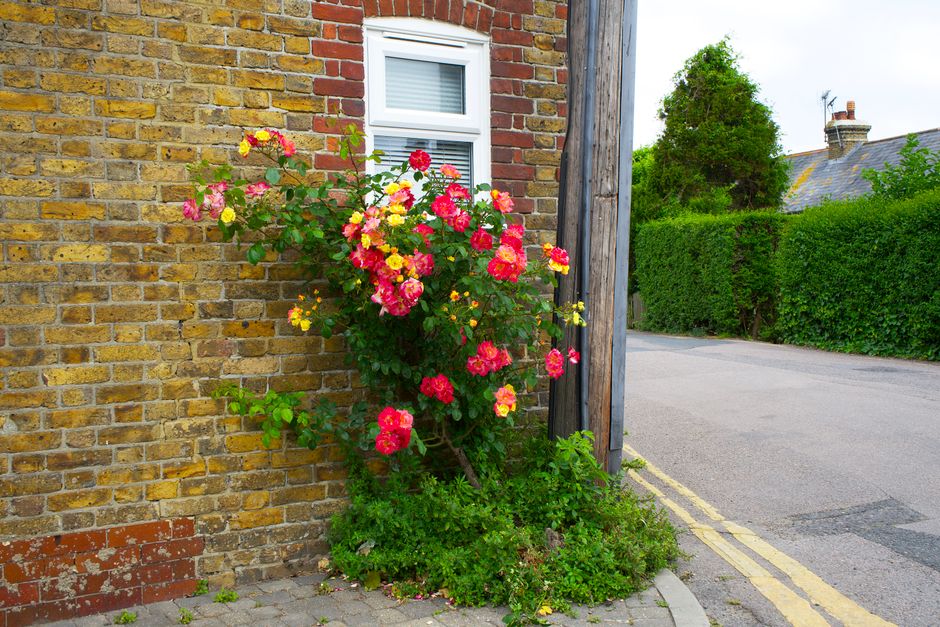
What to know about Waltham Forest rules for floral displays
Posted on 21/10/2026
If you are planning floral displays in Waltham Forest, there is more to think about than choosing pretty blooms and a good vase. What to know about Waltham Forest rules for floral displays comes down to placement, permissions, safety, and making sure the display works in the real world, not just on paper. That might mean a shopfront arrangement, a tribute display, a wedding setup, or flowers outside a business entrance. Either way, the local setting matters.
In a borough like Waltham Forest, the difference between a display that feels charming and one that causes trouble can be surprisingly small. A tray of flowers at the pavement edge, a stand blocking access, or a memorial tribute placed without checking the venue rules can all create avoidable problems. This guide walks through the practical side of it: what usually matters, where people slip up, and how to plan floral displays that look good and stay sensible.
To be fair, most people do not need a legal textbook. They need clear guidance. So that is what you will find here: straightforward advice, a few real-world examples, and enough detail to help you make good decisions before you spend time, money, or energy on the wrong setup.
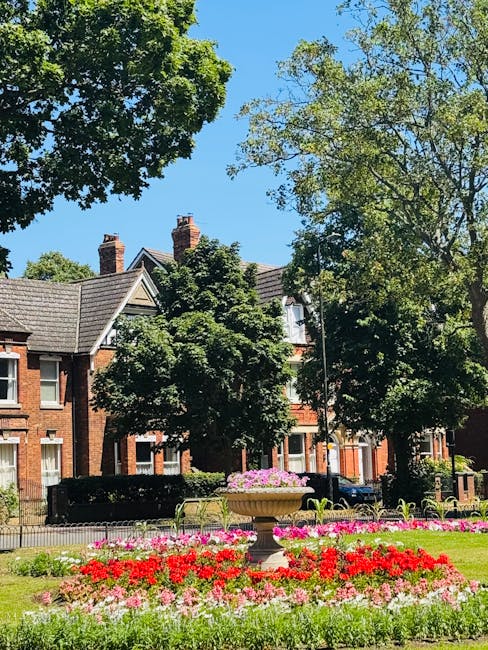
Table of Contents
- Why Waltham Forest rules for floral displays matter
- How the rules and expectations work in practice
- Key benefits and practical advantages
- Who this is for and when it makes sense
- Step-by-step guidance
- Expert tips for better results
- Common mistakes to avoid
- Tools, resources and recommendations
- Law, compliance, standards, or best practice
- Options, methods, or comparison table
- Case study or real-world example
- Practical checklist
- Conclusion
- Frequently asked questions
Why Waltham Forest rules for floral displays matter
Floral displays may seem harmless, but in busy London neighbourhoods they interact with pedestrians, shopfronts, building access, bins, deliveries, and neighbours. In Waltham Forest, as elsewhere, the key issue is not just beauty. It is whether the display is safe, lawful, considerate, and appropriate for the location.
A display that looks lovely in a planning mock-up can still cause friction once it is on a pavement or beside an entrance. Think about a florist placing a raised arrangement outside a shop on a wet morning. It may be visually perfect, but if it narrows the footway or makes wheelchair access awkward, it becomes a problem very quickly. That is the sort of practical reality people often overlook.
The rules and expectations also matter because floral displays are often part of something bigger: a wedding, a memorial, a seasonal shop promotion, or a business opening. In those situations, the flowers are not just decoration. They are part of your public-facing image. If the display is tidy, safe, and well considered, it quietly lifts everything around it. If it is clumsy, it can do the opposite in one afternoon. That is life, really.
There is also a trust element. Customers, venue managers, and local residents are more likely to respond positively when a display feels respectful of the space. In a borough with varied streets, footfall, and building types, a good floral setup shows you have thought ahead instead of hoping for the best.
How Waltham Forest rules for floral displays works in practice
There is not usually one single rulebook for every floral display. Instead, the practical requirements come from a mix of factors: the location, whether the flowers are on private property or public land, whether they affect access, and whether the display is temporary or ongoing. That is why it helps to think in layers.
First, ask where the display will sit. A floral arrangement inside a business, for example, is mostly a design and safety decision. A display at a shop frontage, on a pavement, or near a shared access route may trigger extra considerations because it affects how people move. The closer you are to a public walkway or entrance, the more careful you need to be.
Second, consider what the display is for. Wedding flowers, funeral tributes, seasonal shop displays, hospitality arrangements, and event styling each have their own practical needs. A low vase on a reception desk is one thing. A freestanding installation near a street entrance is another. The same bouquet can be perfectly fine in one setting and a nuisance in another.
Third, think about duration. A one-day display is easier to manage than a long-running arrangement that may wilt, spill water, or become unstable over time. When flowers are left out for several days, the risks change. In our experience, people remember the opening day and forget the day three problem. The rain, the wind, the slightly wonky stand. That is usually where issues start.
And finally, there is the matter of responsibility. If you are a business owner, organiser, or florist, somebody needs to make sure the display stays safe, clean, and within the relevant permissions. If a venue has its own rules, those matter too. It is not glamorous, but it is the bit that saves headaches later.
Key benefits and practical advantages
Working within local expectations brings more than compliance. It tends to improve the display itself. A well-planned floral arrangement is usually neater, lasts longer, and performs better in the setting it was designed for.
- Fewer disputes: If a display does not block access or irritate neighbours, you are far less likely to face complaints.
- Better presentation: Displays planned for the space usually look more polished and intentional.
- Safer foot traffic: Good placement reduces the risk of trips, spills, and awkward obstruction.
- Easier maintenance: A display that is accessible and stable is simpler to water, refresh, and tidy.
- Stronger customer experience: Guests and customers notice when a space feels cared for.
There is also a quieter benefit: confidence. If you know the arrangement has been checked properly, you can stop worrying about what might go wrong. That can be worth a lot, especially if you are managing an event or a shop during a busy period.
Another advantage is flexibility. Once you understand the local approach, you can reuse the same process for different occasions. A floral tribute, a wedding table arrangement, and a seasonal storefront display all need different flowers, but the same basic thinking: where, why, how long, and who is responsible?
Who this is for and when it makes sense
This topic is relevant to a broad mix of people. If you are planning florals in Waltham Forest, you may be one of the following:
- a shop owner wanting a smart outside display
- a bride, groom, or wedding planner arranging venue flowers
- a family member organising tribute flowers or memorial arrangements
- a business manager planning reception, office, or event styling
- a florist delivering or installing flowers on someone else's property
- an event organiser handling seasonal or promotional displays
It also makes sense whenever the flowers will be seen by the public or placed somewhere with shared access. That includes entrance areas, communal halls, hospitality spaces, church venues, garden paths, and pavement-adjacent settings. Even a small display can matter if it sits in the wrong spot.
For private home deliveries, the rules are usually simpler, but the same logic still helps. You want the flowers to arrive in good condition, fit the space, and not create damage or confusion. If you are choosing a gift bouquet, something from flowers in a vase is often easier for the recipient because it is already arranged and ready to display.
For public or semi-public settings, the stakes are higher. A wedding table arrangement, for example, might be beautiful in photos but still need to be low enough for guests to talk comfortably across the table. That sort of detail sounds small until someone leans sideways around a giant centrepiece to see the menu.
Step-by-step guidance
If you are approaching floral displays in Waltham Forest for the first time, the easiest way to stay on track is to work methodically. Do not start with flowers. Start with the space.
- Confirm the location. Is the display going indoors, in a private garden, at a venue, on a business frontage, or near a public walkway?
- Check the relevant permission. If the display is in a venue or shared space, ask who has authority over it and what they allow.
- Measure the area. A display can look modest in a basket and huge once it sits against a narrow passage. Measure height, width, and clearance.
- Think about movement. People need to pass, doors need to open, deliveries need room, and sometimes pushchairs or wheelchairs must fit through.
- Choose an arrangement that suits the space. Tall statement pieces work in some places, but not in tight entrances or busy corridors.
- Plan water and stability. Make sure containers are secure and will not drip where slips could happen.
- Review weather exposure. Outdoor floral displays need protection from rain, wind, sun, and sudden temperature shifts.
- Inspect on the day. Check the display after installation and again later if it is staying in place for a while.
The point is not to overcomplicate things. The point is to avoid guesswork. A good florist or organiser will naturally think this way. A less careful one tends to ask, "Will it fit?" at the exact moment it already does not. Not ideal.
If you are ordering flowers for a special event, a service like florist choice can be useful because it allows flexibility while still keeping the arrangement aligned with the occasion. For more formal or delicate settings, luxury flowers may be a better match where the venue and budget justify the finish.
Expert tips for better results
Here is where a bit of lived-in experience helps. The best floral displays are usually the ones that look effortless because someone did the hard thinking beforehand.
Keep scale honest
One of the most common mistakes is choosing blooms that are too large for the setting. Grand arrangements are lovely, but if the table is small or the entryway is narrow, the display starts fighting the room. Use scale as a design decision, not an afterthought.
Work with the space, not against it
A floral display should complement the room, doorway, or frontage. If the venue has strong colours or a lot of natural light, choose blooms that balance rather than clash. For softer palettes, something from white flowers or mixed colours can feel calm and versatile.
Think about sightlines
People often forget that flowers can block faces, signage, or table conversation. A display should enhance the view, not replace it. At events, it is worth sitting down and checking what guests actually see from a seated position. Makes a difference.
Use sturdy containers and clean mechanics
Pretty containers matter, but so does stability. If a display is exposed to movement or foot traffic, choose containers that hold their position and keep water secure. Hidden support is your friend. Invisible, boring, and very useful.
Choose flowers that suit the purpose
For memorials or sympathy settings, restrained and respectful arrangements are often better than bright, overly elaborate pieces. For celebrations, you may want more colour and texture. The right emotional tone matters as much as the colour palette.
Plan for the second day, not just the first
If the floral display will stay up for more than a few hours, consider what happens next. Will the water last? Will petals wilt? Will the display need refreshing? These are small questions that save awkward surprises.
Common mistakes to avoid
Most floral display problems are preventable. The tricky part is that they often look minor right up until they are not.
- Blocking access: A display placed too close to an entrance, doorway, or footpath can create immediate problems.
- Ignoring venue rules: Some places have clear limits on size, placement, or timing. If there are house rules, follow them.
- Choosing the wrong type of arrangement: A tall design in a cramped room can feel intrusive, while a tiny design in a large hall may disappear completely.
- Forgetting maintenance: Water levels, fallen petals, and leaning stems need attention.
- Using unstable bases: A beautiful arrangement that topples at the first bump is not a success.
- Overlooking weather: Outdoor flowers can deteriorate fast in heat, wind, or rain.
- Leaving it to the last minute: Good floral planning is time-sensitive. Rush jobs usually show it.
Here is the thing: most people do not intentionally cut corners. They are just busy. But a five-minute check before setup can spare a lot of embarrassment later. Sometimes even a single extra look is enough.
Tools, resources and recommendations
You do not need an elaborate toolkit to plan a floral display properly, but a few practical tools help a lot.
- Tape measure: Useful for checking table widths, entrance heights, and walkway clearance.
- Placement plan or sketch: Even a rough hand-drawn layout can clarify where the flowers will sit.
- Stable containers and holders: Particularly important for larger or outdoor arrangements.
- Floral foam or support mechanics where appropriate: Use them carefully and only when suitable for the design and environment.
- Waterproof protective materials: Helpful for protecting surfaces from spills or condensation.
- Care instructions: If the flowers are going to a third party, include basic care notes so the display lasts longer.
For people who want to keep arrangements fresh after delivery, a simple aftercare guide is very useful. The page on flower care is a sensible starting point for preserving the look and life of the arrangement once it reaches its destination.
For broader browsing, all flowers can help you compare styles before choosing something that fits the occasion. If you are working to a tighter budget, budget options may still be perfectly suitable if the setting is simple and the design is well chosen.
Law, compliance, standards, or best practice
Strict legal requirements depend on the exact situation, so it would be unhelpful to pretend there is one universal rule for every floral display. In practice, the biggest concerns are usually access, safety, nuisance, property rights, and venue permission. If flowers are in a public space or near a shared route, be especially careful. If they are inside a private venue, follow that venue's own rules first.
Best practice in Waltham Forest, as in the rest of London, is to make sure floral displays do not create obstruction, trip hazards, slipping risks, or fire safety problems. That sounds obvious, but the obvious bit is exactly what gets missed when a display is rushed. Keep cables, stands, water containers, and decorative materials under control.
For business settings, the standard should be simple: the display should look professional, support access, and be easy to maintain. For funerals and memorials, the standard is more about respect, timing, and suitability. A wreath, spray, or tribute arrangement should be appropriate to the service and handled sensitively. For weddings, the emphasis is usually on coordination with the venue, the schedule, and the aesthetic plan.
If you are not sure whether an installation needs permission, ask before placing it. It is much easier to get clarity at the start than to move flowers after they have already been arranged. Nobody enjoys that conversation, honestly.
When working with occasion-based flowers, a local florist can help you select arrangements that fit both the setting and the expectations. For example, wedding table arrangements are designed for a more formal dining setting, while sprays or wreaths may be more suitable for sympathy or remembrance contexts.
Options, methods, or comparison table
Different floral display types suit different Waltham Forest settings. This comparison makes the decision a bit easier.
| Display type | Best for | Practical strengths | Things to watch |
|---|---|---|---|
| Vase arrangement | Homes, desks, receptions, small venues | Easy to place, neat, flexible | Can spill if unstable or overfilled |
| Bouquet | Gifts, personal occasions, hand-delivered moments | Simple, versatile, popular | May need a vase or immediate care |
| Basket or posy | Sympathy, thank-you gifts, softer displays | Stable and easy to present | Still needs proper positioning and care |
| Wreath or tribute | Funerals, memorials, remembrance services | Respectful and traditional | Should match the occasion and venue expectations |
| Table arrangement | Weddings, dinners, corporate events | Creates atmosphere without overpowering | Height and scale matter a lot |
| Outdoor display | Shops, events, entrances, seasonal promotions | High visibility and impact | Weather, stability, and access become critical |
If you are deciding between styles, start with function. The prettiest option is not always the best option. A low, elegant arrangement can do more for a wedding meal than a giant centrepiece ever could. And a compact tribute may feel more moving than something overdesigned.
Case study or real-world example
A small independent business in Waltham Forest wanted to place floral arrangements at its entrance for a weekend event. The first idea was a pair of tall pedestal displays right beside the doorway. They looked lovely in concept, but once measured against the actual entrance width, they would have made the path feel tight and awkward. Guests would have had to shuffle sideways. Not exactly welcoming.
Instead, the team changed approach. They moved to a lower, wider arrangement near the side of the entrance, kept the pathway clear, and used matching colours that echoed the event branding. The flowers still made an impact. In fact, they looked more intentional because they suited the space. The display stayed tidy through the day, and nobody had to apologise to arriving visitors.
The useful lesson here is simple: the best floral display is often the one that solves the practical problem first. Style follows function. Not the other way around. That is the boring answer, but it works.
A similar thing happens with personal occasions. A family organising sympathy flowers may initially want something very large, but then decide a more restrained sympathy flowers option is more fitting for the venue and the tone of the day. In the right setting, restraint can say more than size ever could.
Practical checklist
Before you finalise a floral display in Waltham Forest, run through this checklist. It sounds basic, but basic is often what keeps things smooth.
- Have you confirmed exactly where the display will go?
- Do you know whether the location is private, shared, or public-facing?
- Have you checked venue or property rules?
- Will the arrangement block a doorway, path, table, or sign?
- Is the size appropriate for the room or frontage?
- Will the flowers remain stable if someone brushes past them?
- Do you need waterproof protection or a drip tray?
- Will the display be left up long enough to need maintenance?
- Do the colours and style fit the occasion?
- Have you planned who will water, refresh, or remove the flowers?
If you can answer yes to most of those, you are probably in good shape. And if a couple of answers are still uncertain, that is your cue to pause and sort them out before installation. Better a small delay than a public mishap.
Conclusion
What to know about Waltham Forest rules for floral displays is really about common sense with a local lens. The flowers matter, of course. But so does where they sit, how long they stay, who is responsible, and whether they respect the space around them. Once you think in those terms, planning gets easier.
The best floral displays feel calm, thoughtful, and well placed. They brighten a room, frame an entrance, or honour a moment without causing fuss. That is the sweet spot. If you take one thing away, let it be this: start with the space, then choose the flowers.
For anyone arranging flowers for a home, event, business, or remembrance in Waltham Forest, a little preparation goes a long way. The result is usually more beautiful, more durable, and far less stressful. And that is worth doing properly.
Get a free quote today and see how much you can save.
When you want the final result to feel right in the room and right for the moment, careful planning is the quiet detail that makes all the difference.
Frequently Asked Questions
Do I need permission for floral displays in Waltham Forest?
It depends on where the display will be placed. If it is inside a private home or business, permission may simply come from the property owner or venue. If the display affects a shared area, entrance, or public-facing space, you should check before setting it up.
Can I put flowers outside my shop in Waltham Forest?
Often yes, but only if the display does not obstruct access or create a safety issue. Shopfront arrangements work best when they are compact, stable, and easy for people to pass by. A quick check of the frontage usually saves trouble later.
What kind of floral display is safest for a narrow space?
Low arrangements, compact vase displays, and basket styles are usually safer in tight areas. They are less likely to block movement or feel visually heavy. Tall stands can work, but only when the space is generous enough.
Are outdoor floral displays more difficult to manage?
Yes, usually. Outdoor displays need to cope with wind, rain, heat, and general foot traffic. They also need stronger bases and more frequent checks. Lovely in the morning, droopy by late afternoon if you are not careful.
What flowers work best for respectful or sympathy displays?
More restrained designs are usually preferred, such as wreaths, sprays, posies, or soft colour palettes. The right choice depends on the family's wishes, the venue, and the tone of the occasion. Sensitivity matters more than size.
How do I stop a floral arrangement from blocking access?
Measure the space before installation and leave enough room for doors, wheelchairs, pushchairs, and general foot traffic. If you are unsure, choose a smaller arrangement or move it away from the main route. A flower display should welcome people, not squeeze them.
What is the easiest floral option for a venue?
A stable vase arrangement or low table arrangement is often the easiest to manage because it is simple to place and less likely to shift. For delivered gifts, a ready-made vase display can also reduce stress for the recipient.
How far in advance should I plan a floral display?
The more complex the display, the earlier you should plan. For weddings, events, or memorial services, it is wise to allow time for design, venue checks, and delivery timing. Even a small display benefits from a bit of lead time.
Can I reuse flowers for different display styles?
Sometimes yes, especially if the flowers are still fresh and the design is flexible. But not every arrangement can be repurposed neatly. Once flowers have been cut, wired, or fixed into a structure, reuse becomes more limited.
What should I do if the venue has its own floral rules?
Follow the venue's instructions first. Venue rules often cover placement, timing, height, and safety, and they may be stricter than your own plans. It is better to work with those rules than to argue with them on the day.
Are certain flower types better for long-lasting displays?
Yes. Some flowers naturally hold up better than others, especially in warmer rooms or longer events. The best choice depends on the season, the location, and how long the display needs to last. A florist can usually guide you toward sturdier options.
What should I ask a florist before ordering?
Ask where the flowers will be displayed, how long they need to last, whether there are venue restrictions, and what size is most suitable. If it is an important event, ask how the arrangement will be transported and set up. Those details matter more than people think.
Can floral displays be both decorative and practical?
Absolutely. In fact, the best ones usually are. A good floral display should look beautiful while still being safe, stable, and suited to the space. That balance is what makes it feel polished rather than just decorative.
What is the biggest mistake people make with floral displays?
Probably underestimating the space. People choose flowers first and only then notice the table is too small or the entrance too tight. Start with the setting, and the rest gets much easier. That simple shift solves a lot.